

Water Wisdom Foundation

Sustainable water harvesting solutions for desert communities in Rajasthan
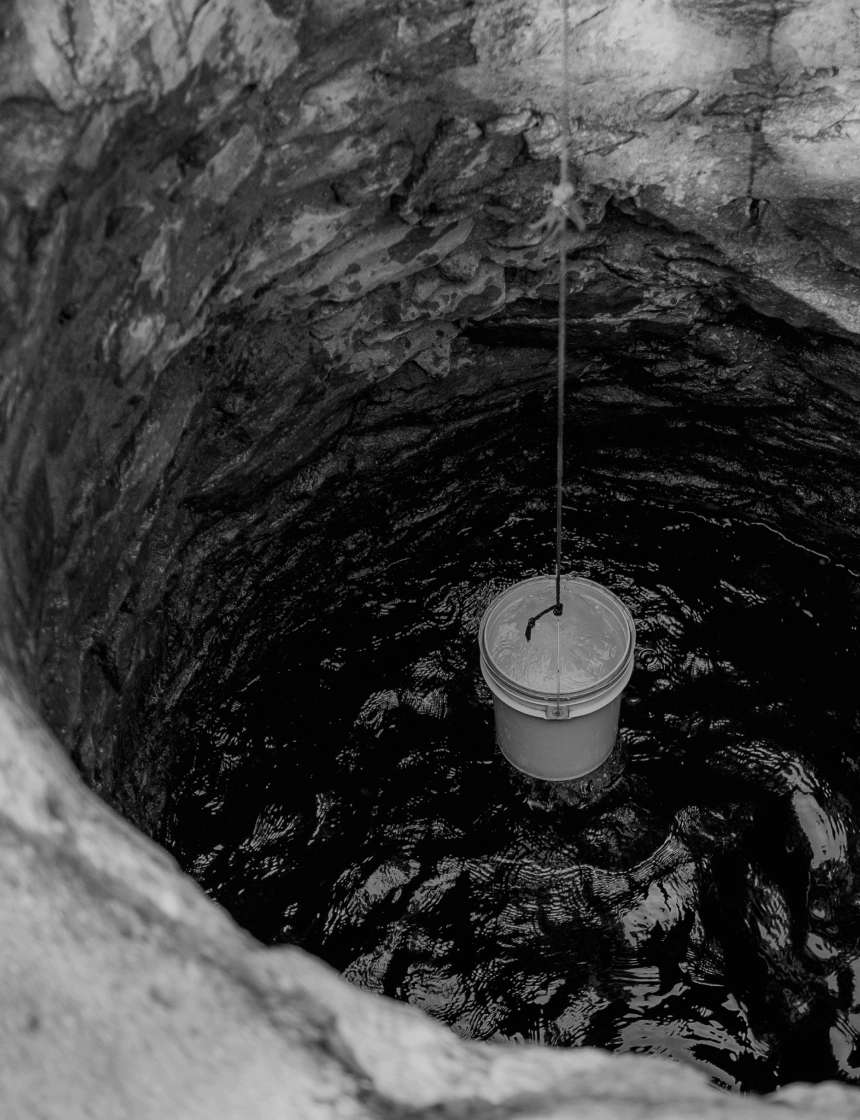
In Rajasthan's Dudu block, recurrent droughts, contaminated water, and exclusionary practices threaten lives and communities. Marginalized groups face extreme water scarcity, forcing women and girls to trek long distances daily, limiting their education and opportunities. Despite government efforts to provide piped water, challenges remain: limited access, irregular supply, and discrimination block progress. Children suffer too - poor water quality hampers their health, learning, and future. Our work focuses on bringing sustainable solutions to ensure access to clean water and protect vulnerable communities from the impacts of climate change and inequality.
A Sustainable Water Solution in Rajasthan
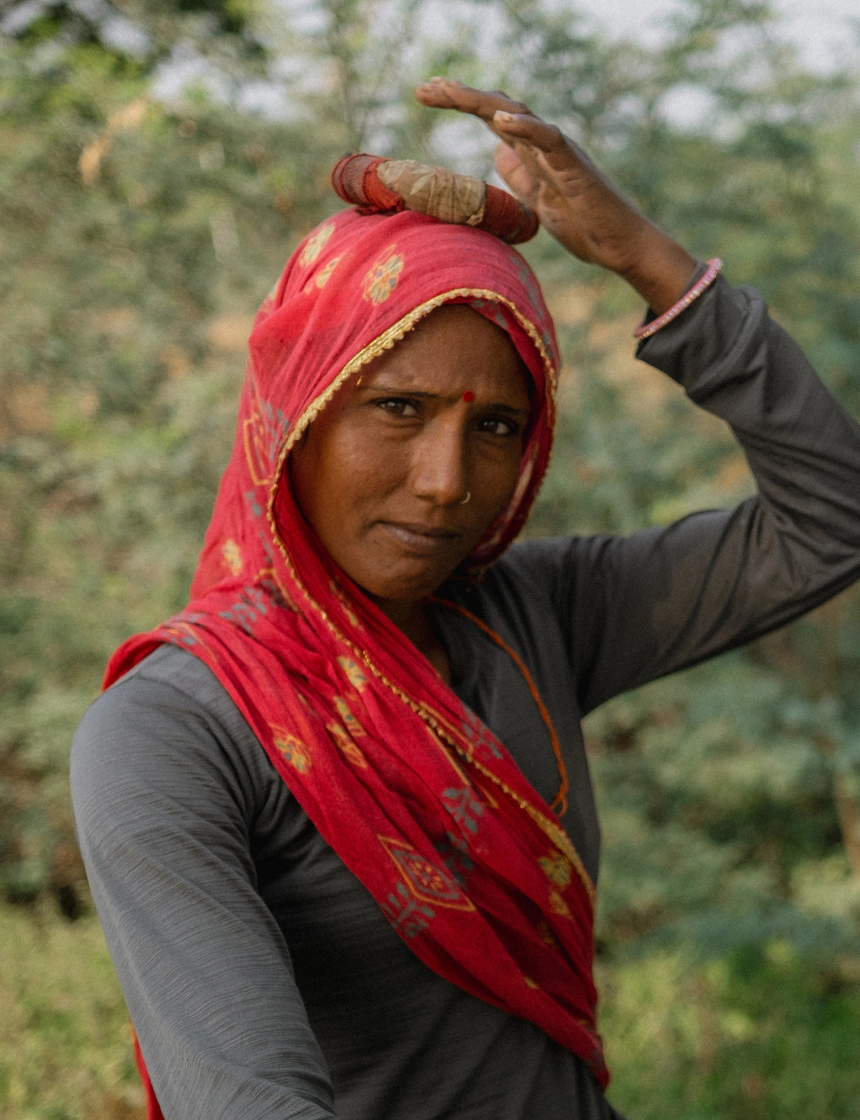
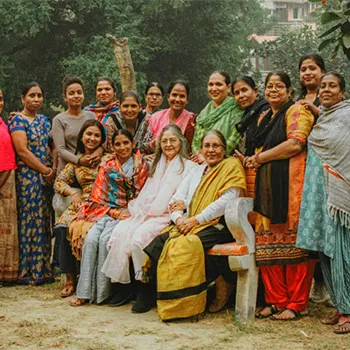
Rainwater harvesting offers a vital lifeline for communities around Sambhar Salt Lake. By collecting rain on rooftops and developing ponds and tanks, local families can access safer, cleaner drinking water-reducing reliance on saline groundwater. Since 2013, our partnership with WaterHarvest and local NGOs has empowered marginalised communities through training women to plan and maintain these rainwater systems. This sustainable approach alleviates water scarcity, lowers health risks, eases women's burden, and helps protect the environment-creating a healthier future for both people and nature.
"The organic development and trust between partnering organizations has helped team to continuously learn and innovate. We were able to improve the design of domestic rain water harvesting systems over the 12 years and continued partnership, like improvement in design of 22,000 litre tanks, rain collection gutters, installation of pre filters, handpump to withdraw water from storage tank, no electricity water filters etc."
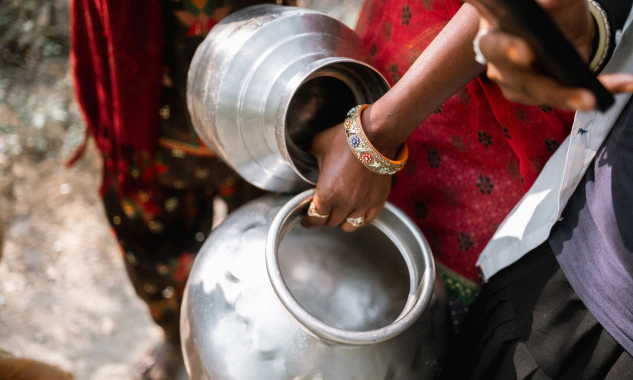
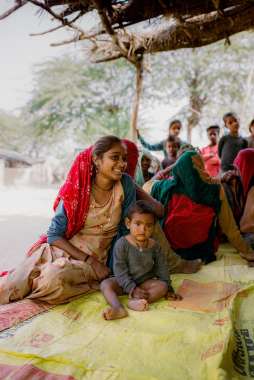
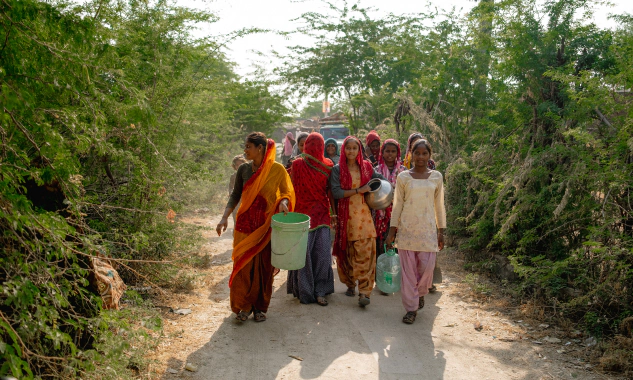
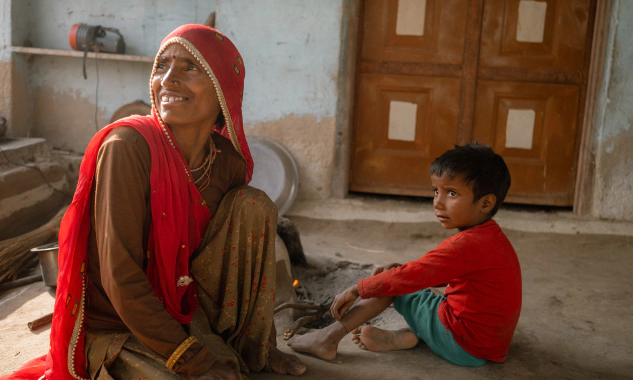
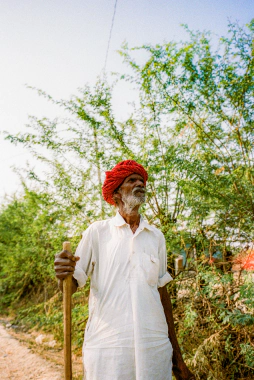
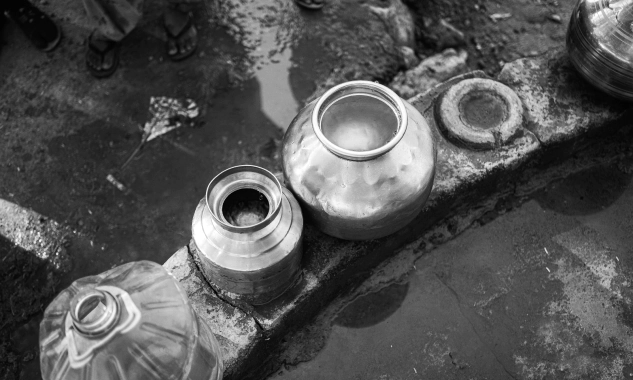
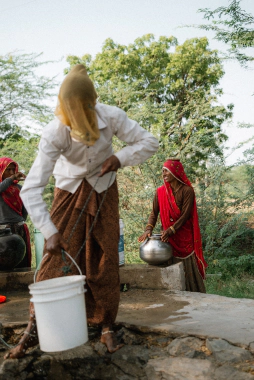
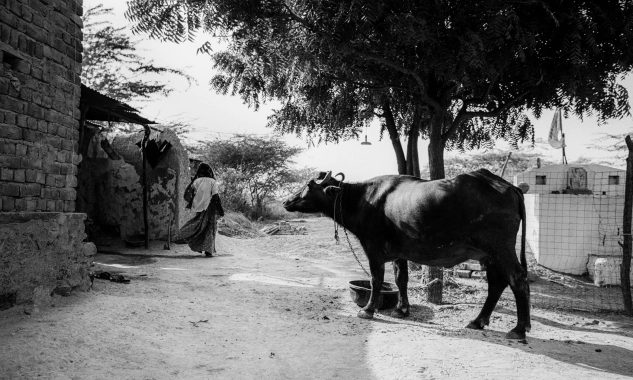
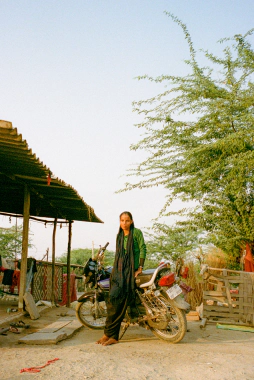
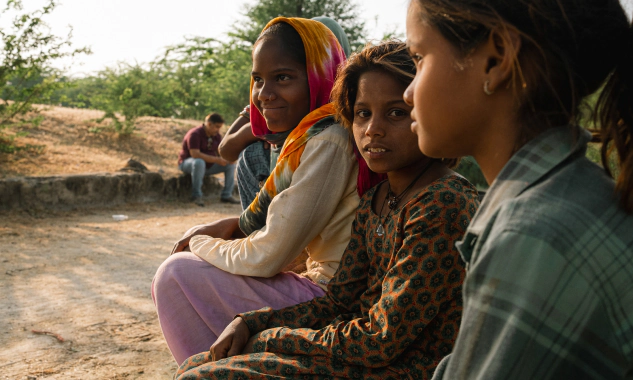
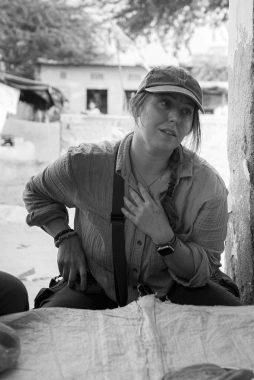
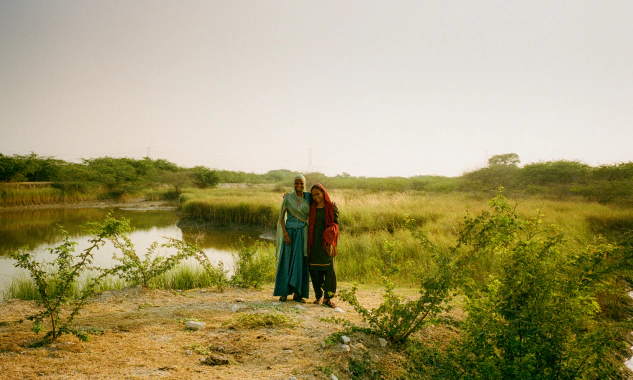
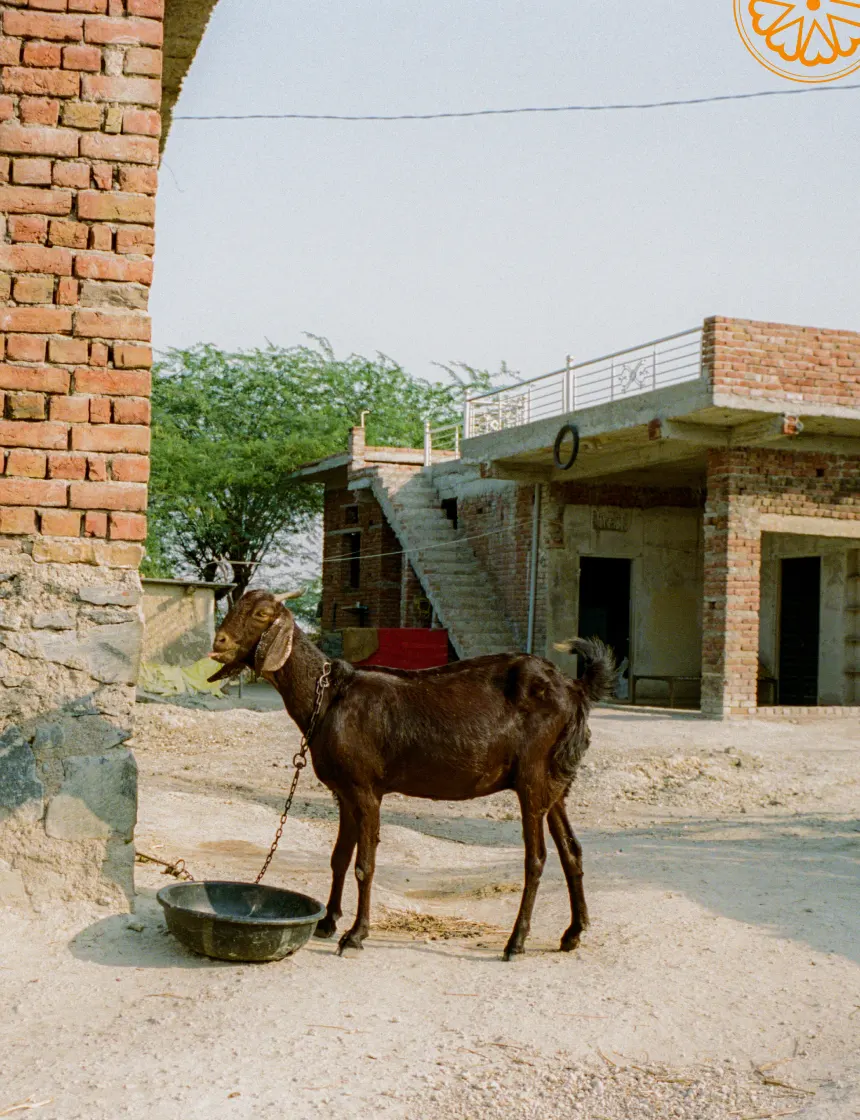

Gulab Bano lives in Chhapaya village with her three children. For years, she and her daughters had to walk 1.5 km to fetch water, an exhausting task that often meant her daughters missed school and the water was contaminated impacting her family’s health.
When a rainwater tank was introduced in her village, Gulab made the decision to sell her goats to help its construction, believing clean water was important for her family’s future.
Today, with water available at home, her daughters can focus on their education, and Gulab has started a small vegetable garden. She says, “Selling my goats was the hardest but best decision. Now my daughters can learn and grow without the struggle for water. I finally have peace of mind.”
This simple change has brought hope, health, and opportunity, showing how sustainable solutions can transform lives.
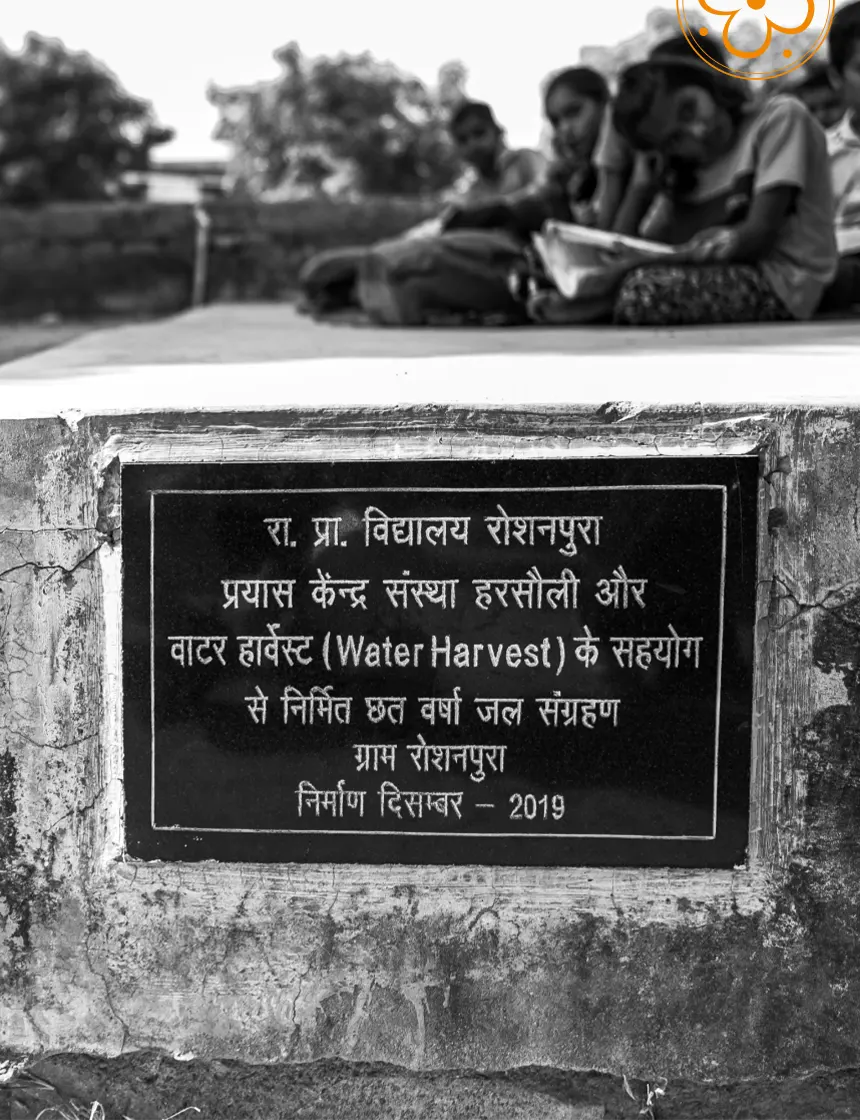

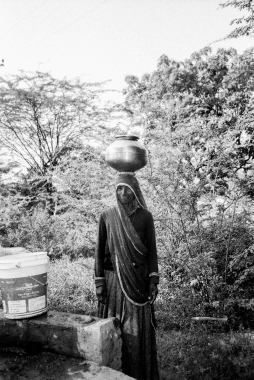
For years, Shoba Devi travelled 2.5 kilometers to fetch water for her family, carrying heavy pots through muddy paths and long queues. It was exhausting and often unsafe, forcing her to miss out on farming work and her children's education.
Things changed when her family installed a rainwater harvesting system. Now, they collect clean rainwater directly from their roof - saving money, reducing her toil, and giving her more time for agriculture work and her children's schooling.
Shobha shares, "Water was the reason for tears and hardships. Now, it's the reason for happiness - my family's life has truly transformed."
Thanks to this simple, sustainable solution, her family's future is bright, and theirdaily struggles are a thing of the past.
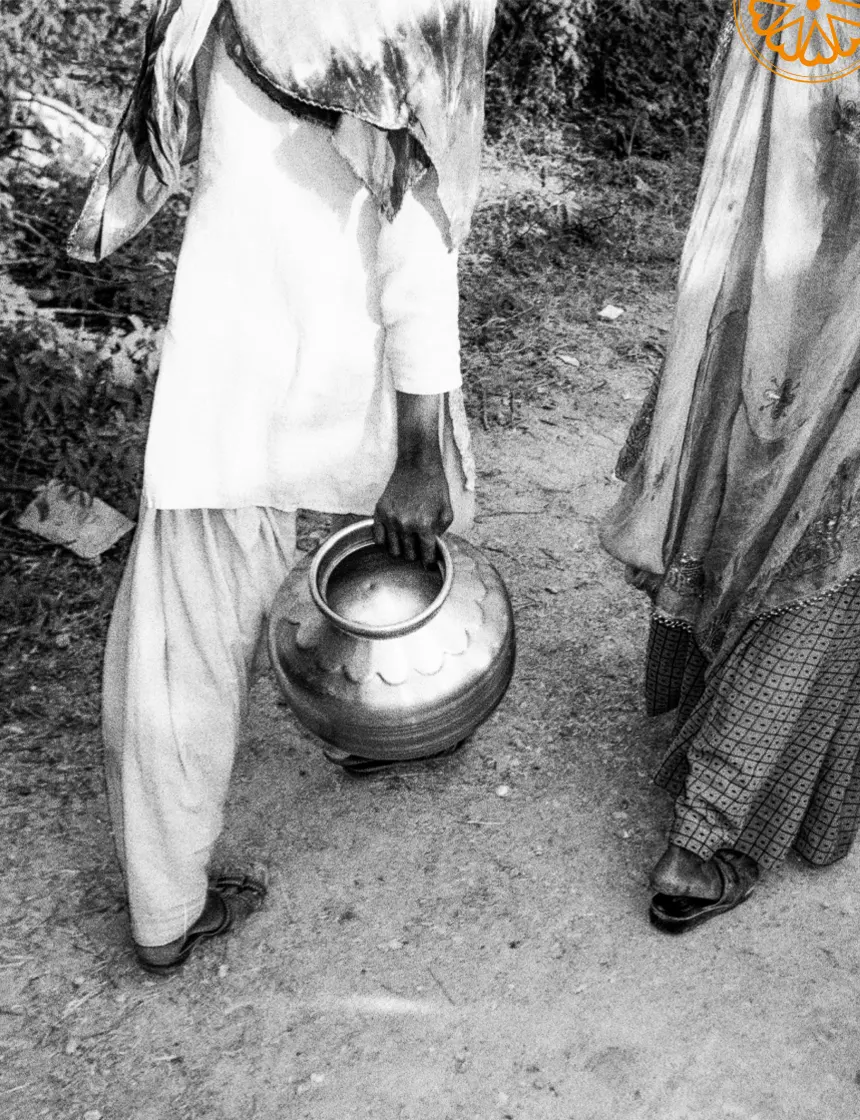
Bhuri Devi and her daughters used to walk four kilometers three times daily to fetch contaminated water from a community well, suffering from joint pain and illness.
Since installing a rainwater harvesting system, her life has changed. She now has access to clean water at home, saving time and improving her health. With this new freedom, Bhuri has started a small shop and a sewing business. Her improved independence even helped her son find a wife who values her resilience.
Thanks to simple, sustainable solutions, Bhuri's future is brighter - her life, a story of hope and empowerment.
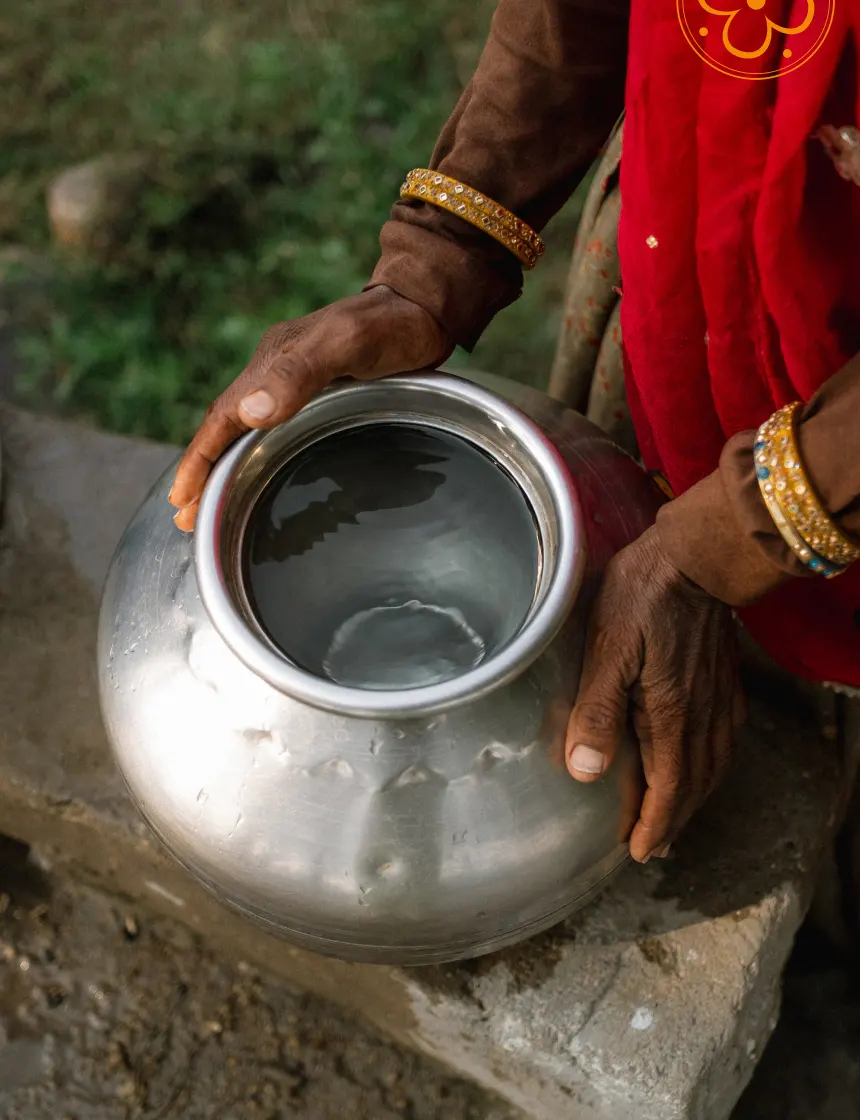
Before her rainwater harvesting system, Sunita Devi spent hours fetching water from a well a kilometer away, exhausting her and her weak-spirited daughter. The water was scarce and hard to carry, leaving little time for work or family.
Since installing the system in 2020, her life has changed. She now works regularly as a laborer, earning ₹400 a day, and their water lasts months without needing to buy more. The water tastes better, and she no longer suffers from body pain or stress.
Sunita shares, "Our family is very happy now. We pray that others get this help too, so they can also live with dignity and hope."
Thanks to simple solutions, her family's future is brighter - and full of promise.
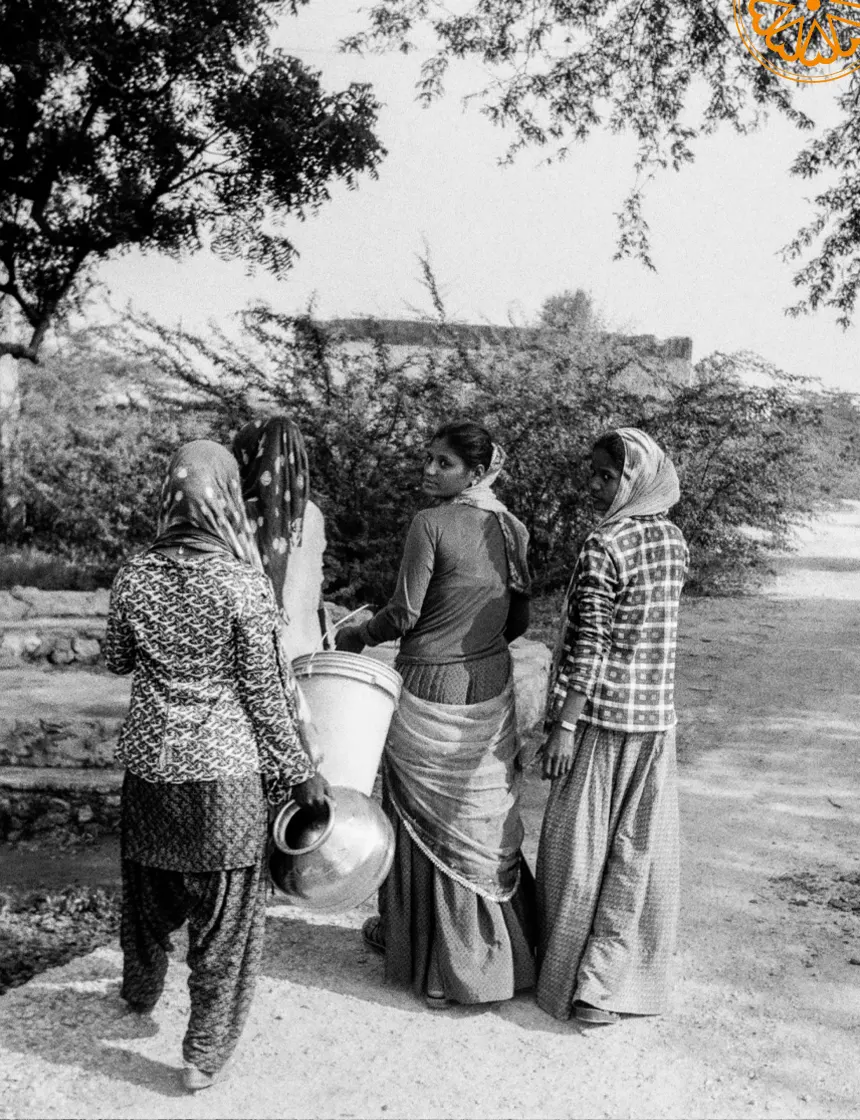
Pooja Devi used to walk 2 kilometres daily to fetch brackish water with a high level of salt from the desert earth, risking her own safety and her daughter's health. Since her family received a rainwater harvesting tank, their lives have changed. They now have clean, sweet water year-round and her children are healthy and in school. Having access to clean sweet water, has meant their health has improved dramatically.
Pooja warmly shares, "I don't know who helped us, but I thank them from my heart. Without their help, I might never have been able to educate my daughter."
Today, her family's look forward to the future, of finishing school and having their own independent jobs - their future is brighter and healthy and full of hope.
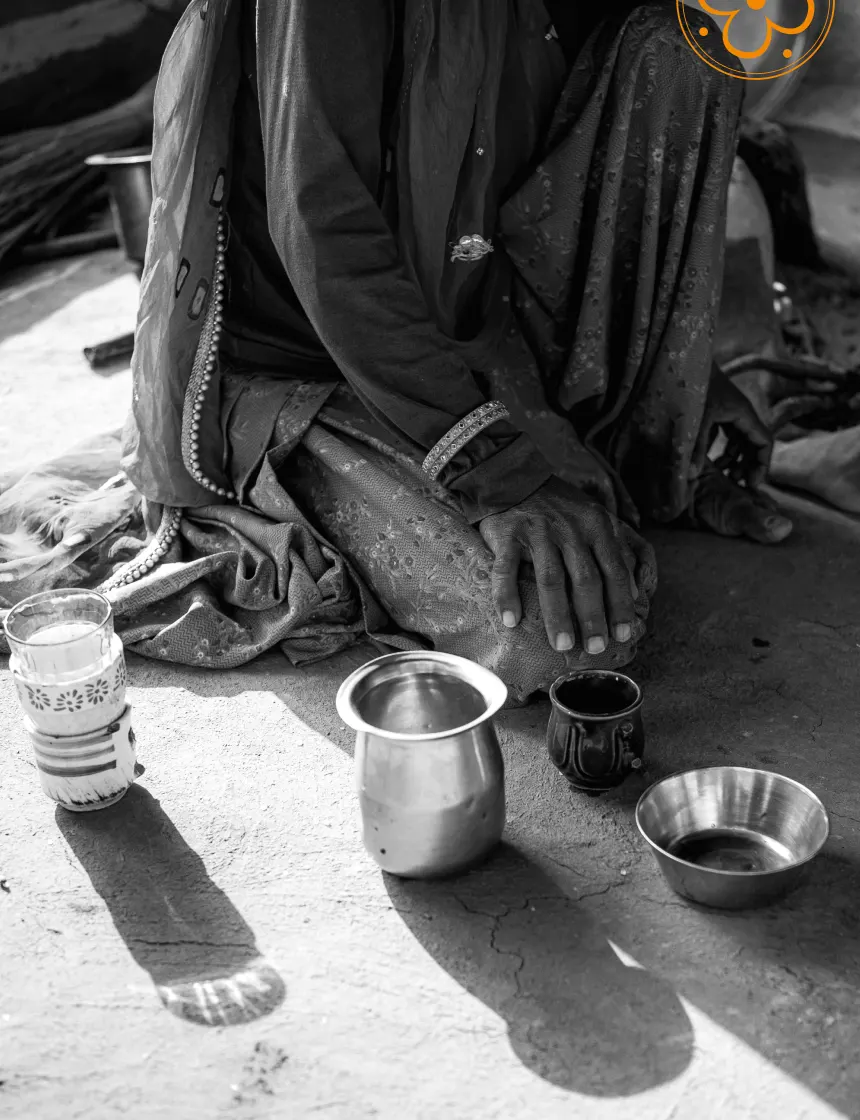
For years, Shushila Devi had to walk an hour twice a day to fetch water. These wells were often contaminated from surrounding agriculture sources that made her sick and impacted her health.
Now with a rainwater harvesting tank at her home, it means she no longer has to make long trips to get simple food and it has reduced her health worries. She contributed to the tanks construction and takes pride in keeping it maintained. She is happy to have safe, sweet water right at her doorstep.
Shushila says, "Thanks to this tank, I no longer need to go outside for water. My family is healthier, and I feel more hopeful for the future."
Transforming lives through rainwater harvesting
Thanks to rainwater harvesting systems, 497 households - covering 2,500 people- now have access to safe drinking water, drastically reducing daily water-fetching distances for women and girls. This has freed up 2-4 hours each day, allowing women to focus on livelihoods, education, and community activities, while also improving their health by reducing waterborne and fluoride-related diseases.
Women no longer carry heavy loads or face health issues like body pain and gastrointestinal problems. Safe water access has also fostered better hygiene practices and community awareness. Many women are now engaged in income - generating activities, leadership roles, and sanitation improvements, empowering entire villages towards resilience and sustainability.
This initiative demonstrates how sustainable water solutions can transform health, economic opportunity, and community well-being - protecting both people and the environment.
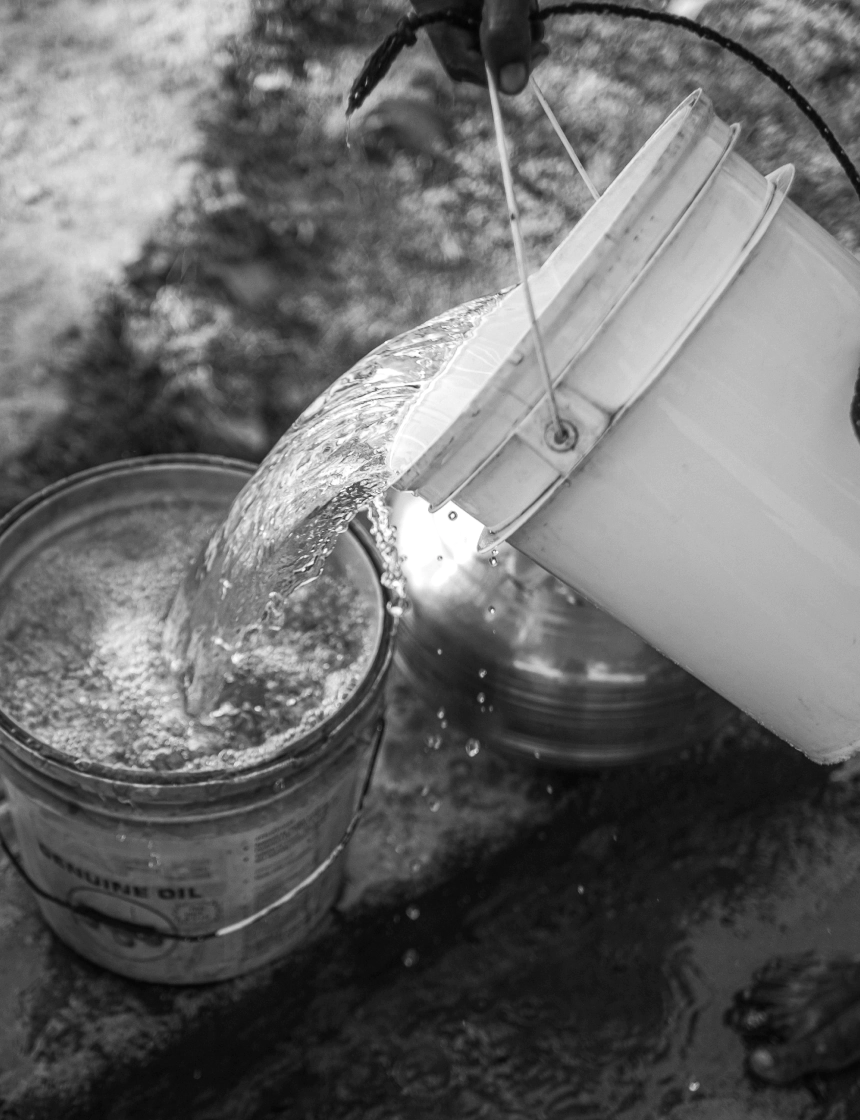
More Impact Stories

Support communities. Donate Today!
DONATE TO THE TRUSTSupport Vulnerable Women, Children & Families
Join our community to stay informed about our work and discover ways to get involved -
fundraising, campaigning, events, and more.
You can unsubscribe at any time.
Sign me up to hear about news from the Monsoon Accessorize Trust and our upcoming events. Please see our Privacy policy for more details.
Back To

Support Vulnerable Women, Children & Families
Join our community to stay informed about our work and discover ways to get involved -
fundraising, campaigning, events, and more.
You can unsubscribe at any time.
Sign me up to hear about news from the Monsoon Accessorize Trust and our upcoming events. Please see our Privacy policy for more details.